Did you know that roughly 35 million people move each year in the United States, often facing unexpected costs and stress? If you’re one of them, particularly moving into a small apartment, you might feel overwhelmed by the logistics and expenses involved. Fortunately, this article is designed for budget-conscious individuals looking to navigate a seamless and affordable moving experience. We’ll tackle the core challenges of managing your budget while ensuring a smooth transition to your new space. You’ll learn how to create a comprehensive moving checklist, declutter effectively to save on costs, and explore DIY moving options that can significantly cut expenses. Additionally, we’ll share tips for sourcing free packing materials and demonstrate efficient unpacking strategies to maximize your new apartment’s limited space. By the end, you’ll feel empowered to take control of your move and settle into your new home without breaking the bank.
Plan Your Move in Advance
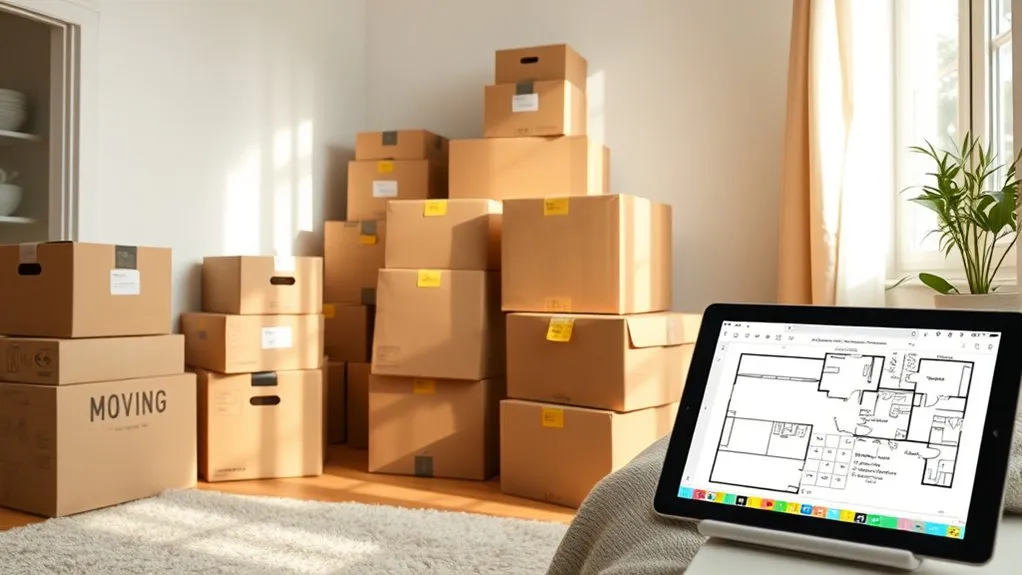
Planning your move well in advance is crucial for a seamless transition. Start organizing at least six to eight weeks beforehand by developing a comprehensive moving checklist. This will help you manage essential tasks such as packing, utility transfers, and coordinating with your landlord.
Steps to Consider:
- Create a detailed moving budget, including costs for packing supplies and transportation.
- Notify your landlord 30–60 days in advance to avoid any lease complications.
- Schedule utility transfers to ensure uninterrupted service in your new home.
By taking these proactive measures, you can significantly reduce stress and unexpected expenses during your relocation. Additionally, consider incorporating a contingency budget of 5-10% for any unforeseen costs that may arise during the moving process.
For more tips on efficient packing, see our guide on moving strategies.
Declutter and Simplify
To save money on your move, start by decluttering and organizing your belongings. Have you considered how this process can also simplify your new space? By focusing on what you truly need, you can make your transition smoother and more efficient. Additionally, approximately 25% of household items can be recycled or donated, further aiding in your decluttering efforts.
Eliminate Unnecessary Items
Eliminating unnecessary items before a move is crucial for a smooth transition. Start by decluttering your belongings to lessen packing demands and moving expenses. Aim to remove at least 30% of your possessions. Sort items into categories: keep, donate, sell, or discard.
- Host a “pack-and-purge” party for a fun decluttering session.
- Sell larger furniture or appliances to offset moving costs.
- If an item hasn’t been used in a year, consider letting it go.
A streamlined approach not only simplifies your move but also makes settling into a new space easier. Additionally, assessing belongings for packing or selling helps ensure that you are only bringing what you truly need to your new home.
For more tips on organizing your move, see our guide on efficient packing strategies.
Optimize Space Usage
Maximizing space in your new home begins with decluttering. Sell or donate items you seldom use, which helps reduce moving expenses—saving you $5–$10 per box.
Strategically utilize vertical storage, such as overhead shelves, and opt for multi-purpose furniture that serves dual functions.
Steps to Optimize Space:
- Conduct a thorough inventory of your belongings.
- Use hollow items, like suitcases, to store smaller possessions.
- Disassemble large furniture for easier transport and better fit.
Explore DIY Moving Options
Planning a DIY move involves calculating costs like truck rentals and gas while selecting the right size truck for your belongings.
But have you considered how portable storage units could simplify the packing process? Knowing your options can help you move with ease and flexibility.
Estimate DIY Moving Costs
Estimating your DIY moving expenses is crucial for a cost-effective relocation. Start by considering truck rental costs, which typically range from $100 to $300 per day for local moves.
Be sure to include additional expenses like:
- Fuel and mileage fees
- Moving insurance
- Packing materials (boxes, tape), which can total $50 to $150
- Portable storage solutions, such as PODS, that vary based on location and duration
Selecting the appropriate truck size, such as a 10-foot model for smaller residences, can greatly influence your overall budget.
For more tips on cutting moving costs, see our guide on budget-friendly moving strategies.
Rent a Moving Truck
Renting a moving truck is an excellent choice for those planning a DIY relocation, providing flexibility and cost-effectiveness.
Typically, local truck rentals range from $100 to $300 per day, ideal for small apartments or homes. Choose the right size: a 10-12 foot truck is suitable for one to two rooms, while a 14-17 foot truck works for two to three rooms.
- Estimate your mileage to avoid extra fees.
- Schedule your rental during weekdays for better rates.
- Return the truck with a full tank to save on fuel costs.
This approach can streamline your moving experience.
For further tips on packing efficiently, see our guide on moving strategies.
Utilize Portable Storage Units
Portable storage units provide an innovative alternative for stress-free relocations. Ideal for small apartments and minimal moves, these containers allow you to pack and unpack at your leisure, eliminating the pressure of a conventional moving day.
With customizable rental durations, you can tailor your experience to fit your timeline.
- Convenient delivery: Units arrive at your doorstep, streamlining the moving process.
- Safety and accessibility: Your items remain secure while still within reach.
- Budget-friendly: Lower expenses compared to traditional moving services.
By choosing portable storage, you gain greater control over your move.
For more tips on optimizing your transition, see our guide on efficient moving strategies.
Utilize Cost-Effective Packing Materials
When preparing for a move, using budget-friendly packing materials can significantly reduce costs. Start by sourcing free boxes from local stores or community exchanges.
Utilize everyday items like blankets, towels, and clothes to cushion fragile belongings, negating the need for expensive packing supplies like bubble wrap.
- Collect boxes from grocery or liquor stores.
- Wrap fragile items with household textiles.
- Fill suitcases and hampers with smaller items.
These simple strategies not only cut expenses but also streamline the moving process. For more tips on efficient moving, see our guide on minimizing moving costs.
Consider Moving Without Furniture
Moving without furniture can significantly lower your relocation costs. By leaving large items behind, you can avoid hiring movers and renting trucks, making the process simpler and more affordable.
Leave bulky items behind to cut costs, simplify your move, and make relocation more affordable.
Consider renting a fully-furnished apartment to ease your transition, allowing you to settle in with essential furnishings already provided.
- Sell or donate your furniture: Generate extra cash or receive tax benefits.
- Shop smart: Look for budget-friendly furniture options at thrift stores or online marketplaces.
- Simplify your move: Bring only what you truly need to minimize stress.
This approach not only streamlines your move but also sets the stage for a fresh start.
For more tips on simplifying your move, see our guide on minimalism.
Maximize Space in Your New Apartment
Maximizing space in your new apartment involves clever strategies that blend practicality with aesthetic appeal. Utilize vertical storage options like wall shelves and tall cabinets to free up floor space. Incorporate multifunctional furniture, such as storage ottomans and convertible sofas, to enhance functionality without sacrificing style.
- Take advantage of under-bed storage for seasonal items.
- Organize belongings in clear bins or labeled boxes for easy access.
- Choose beds with drawers or benches that open for additional hidden storage.
Efficiently Unpack and Settle In
Efficient unpacking is key to quickly feeling at home in your new apartment. Begin by identifying and unpacking essential items like bedding and kitchenware, which will create a functional environment.
Organize your belongings with labeled boxes, allowing for easy access and prioritization.
- Tackle one room at a time to minimize feelings of overwhelm.
- Establish a sorting area to keep your new space orderly.
Aim to unpack within the first week to maintain your momentum. For more tips on making your new space feel like home, see our guide on organization strategies.
Frequently Asked Questions
How Much Money Should You Have Before Moving Into an Apartment?
FAQ
Q: How much money do I need before renting an apartment?
A: Aim to save at least three times your monthly rent, plus funds for moving, utilities, and a security deposit.
Q: What expenses should I consider when moving into an apartment?
A: Include first month’s rent, security deposit, moving costs, utility setup fees, and an emergency fund in your budget.
Q: Is it necessary to have an emergency fund when renting?
A: Yes, having an emergency fund is crucial for unexpected expenses, ensuring financial stability while renting.
Q: What is the best way to budget for my new apartment?
A: Start by calculating total costs, including rent, utilities, and moving expenses, then set aside funds accordingly to prevent overspending.
Q: How can I save money for my first apartment?
A: Create a budget, cut unnecessary expenses, and set up a dedicated savings account to help reach your rental goals faster.
How to Make Moving Less Expensive?
FAQ
Q: How can I reduce my moving costs?
A: Save money by using DIY packing supplies, renting a moving truck, and seeking budget-friendly moving services.
Q: What are some ways to find free moving supplies?
A: Look for free packing materials at local stores, online marketplaces, or ask friends and family for boxes.
Q: Are there budget options for hiring movers?
A: Yes, compare quotes from different moving companies, and consider hiring part-time movers for specific tasks to save money.
Q: How can I negotiate my lease during a move?
A: Approach your landlord with comparable rental prices or express your willingness to sign a longer lease for a better rate.
Q: Is it cost-effective to buy second-hand furniture when moving?
A: Absolutely! Thrift stores, garage sales, and online classifieds often have affordable furniture that can save you money.
Q: Can I get help from my community for moving?
A: Yes, reach out to friends, family, or local community groups for assistance. Many people are willing to help with moving tasks.
How Do You Fit a Lot of Stuff in a Small Apartment?
FAQ
Q: What are some space-saving ideas for small apartments?
A: Utilize vertical storage, choose multi-purpose furniture, and stack items to maximize space efficiently.
Q: How can I declutter my small living space?
A: Start by sorting items into keep, donate, and discard piles. Aim for a minimalist approach to reduce excess belongings.
Q: What furniture works best in a tiny apartment?
A: Opt for furniture that serves multiple functions, like a sofa bed or an ottoman with storage, to save room.
Q: How can I organize a small apartment effectively?
A: Use bins, shelves, and hooks to keep things tidy. Label containers for easy access and maintain order.
Q: What packing tips help in small spaces?
A: Roll clothes instead of folding, use vacuum bags, and fill every nook and cranny for optimal packing.
How to Quickly Pack an Apartment?
FAQ
Q: What are the best packing strategies for moving an apartment?
A: Use room-by-room planning, disassemble furniture, and label boxes. This organized approach makes the packing process smoother and less chaotic.
Q: How do I pack fragile items safely?
A: Wrap fragile items in bubble wrap or packing paper and use sturdy boxes. Fill empty spaces with cushioning materials to prevent movement during transit.
Q: What supplies do I need for packing an apartment?
A: Gather boxes of various sizes, tape, markers, packing paper, bubble wrap, and scissors. Having the right supplies makes packing more efficient.
Q: How can I make my move more organized?
A: Create a detailed timeline, sort items by category, and label boxes clearly. This helps you stay on track and find things easily at your new place.
Q: Should I pack everything myself or hire movers?
A: It depends on your budget and time constraints. Packing yourself saves money, while hiring movers can ease the burden and speed up the process.
Q: How long does it take to pack an apartment?
A: The time varies based on size and organization, but generally, allow 1-2 days for packing a small apartment and up to a week for larger spaces.
Conclusion
Moving to a small apartment can be a smooth and cost-effective process when you plan ahead and declutter. By applying these budget-friendly tips, you’ll not only save money but also create a functional and cozy living space that reflects your style. Embrace DIY packing solutions and focus on maximizing your new home’s potential to ensure a stress-free transition. Start organizing your move today, and take the first step toward making your new apartment feel like home.